

Technical Services
Keep your equipment working.
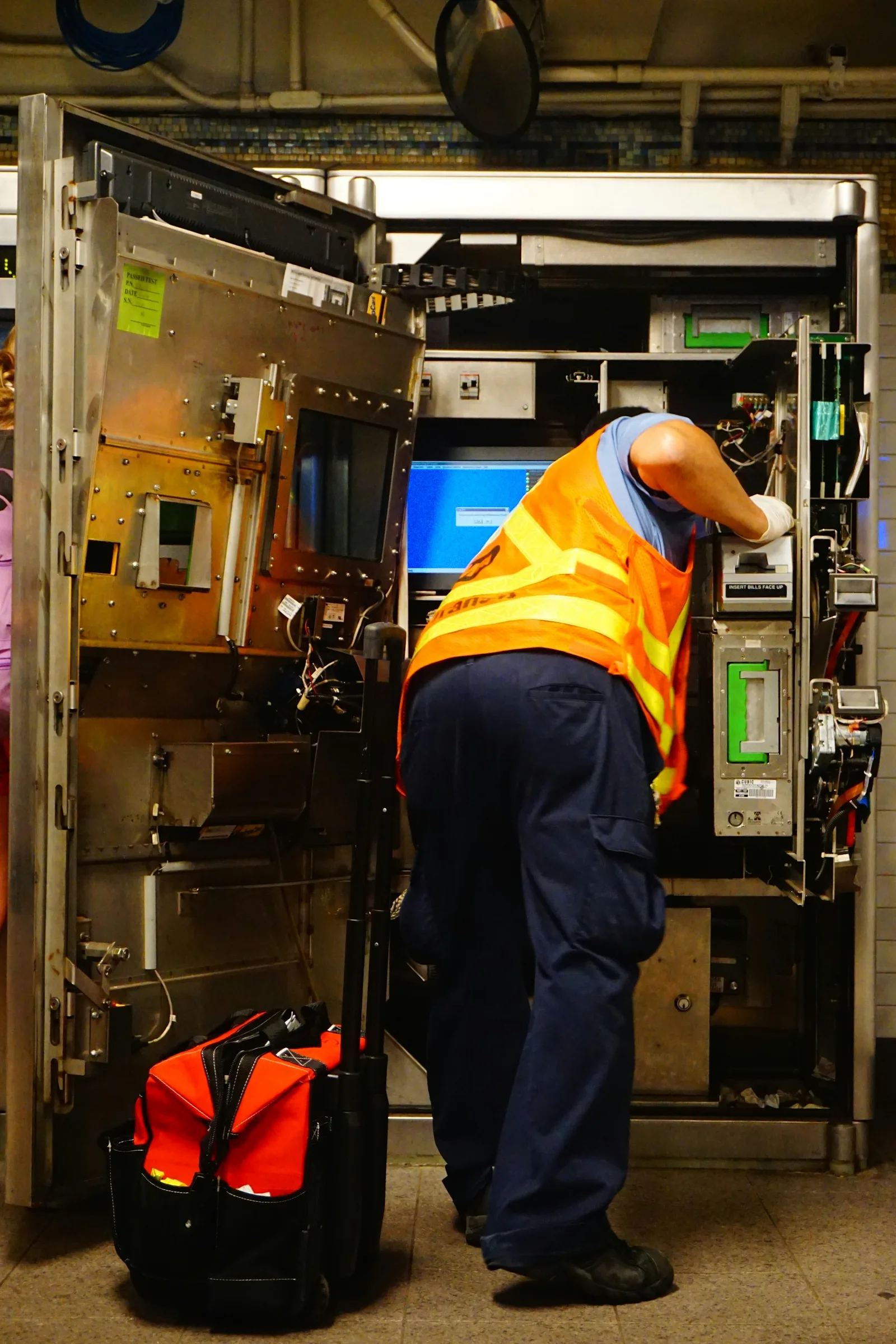
Diagnostics, repair, and maintenance for selected commercial equipment. Tell us what is down, what it does, and what needs attention.
Equipment families / Reviewed before service
Built around
the equipment.
A fault may originate in a component, its connections, the control arrangement, or the conditions in which the machine operates. The equipment type, model, symptoms, and service history establish the starting point. Proton reviews the documentation, parts access, and required expertise before confirming whether it can assess or service the unit.
These categories help us evaluate inquiries. They do not mean every machine or brand is supported.
01Commercial Operations Equipment+
Small commercial machinery and selected food-preparation or beverage equipment can interrupt daily service when a drive, connection, or control function fails. Send the unit identification, symptoms, and operating conditions for review. Food-contact, refrigeration, gas, and other regulated tasks require specific qualifications and are not assumed to be covered.
02Facility & Maintenance Equipment+
Floor machines, extractors, commercial vacuums, and pressure-cleaning equipment support recurring property work. Loss of suction, inconsistent power, or reduced output may have different causes. Model details, accessories, maintenance history, and available documentation help establish whether assessment and corrective work can be supported.
03Light Industrial & Workshop Equipment+
Selected motors, pumps, powered tools, and workshop machines require review of their application as well as the reported fault. The drive arrangement, duty, supply requirements, and safe access affect the work. Service is accepted only where the task, test requirements, and required personnel are within confirmed capability.
04Equipment Electronics & Controls+
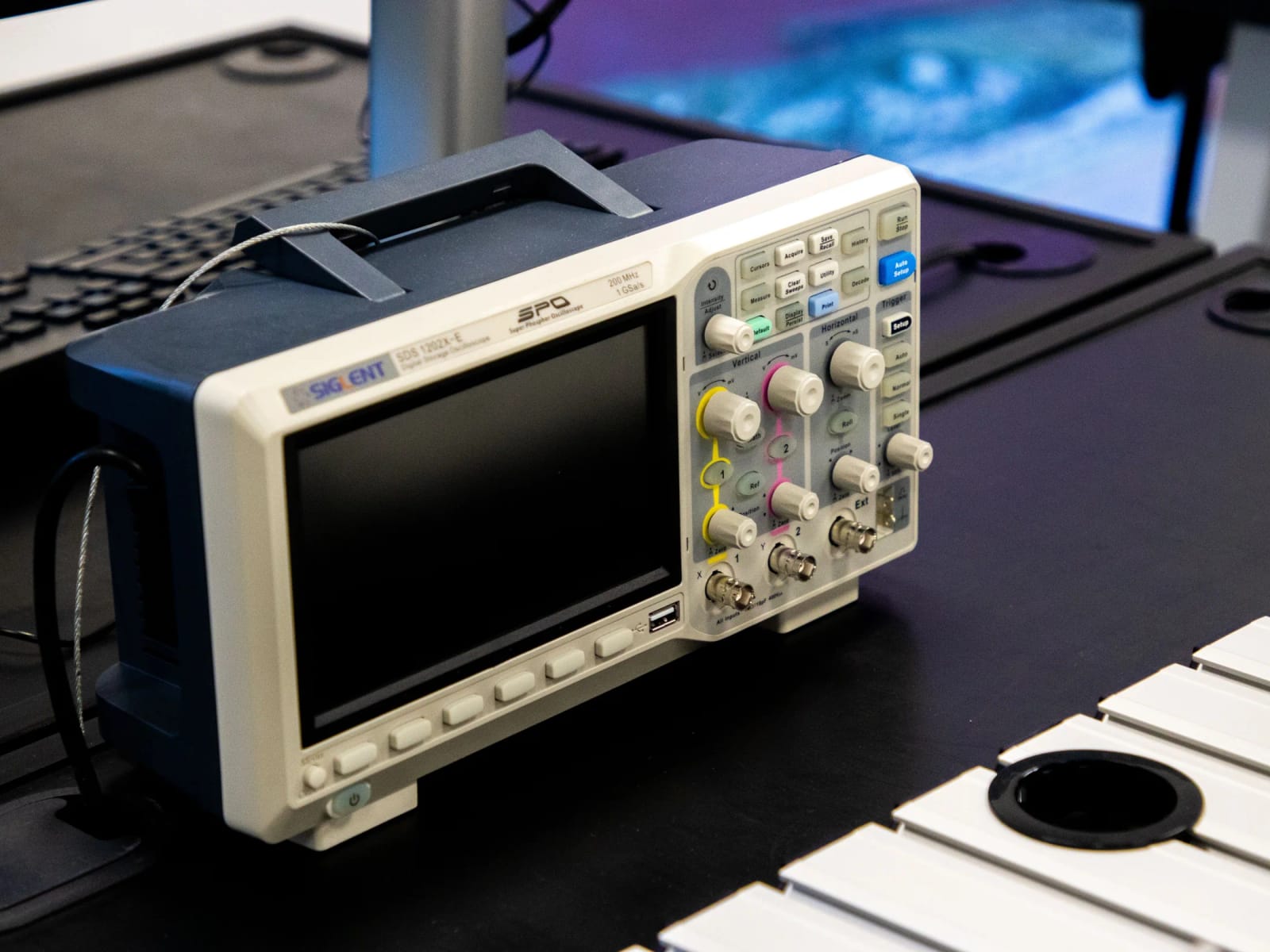
Equipment controls, sensors, power supplies, switches, and wiring operate as part of a machine. A fault indication does not by itself establish which component has failed. Documentation and suitable diagnostic methods are needed to define supported inspection or replacement work; board repair, programming, and redesign are not implied.
Agreed work / Supported machines
From the fault
to the fix.
A diagnostic visit establishes what can be determined within the agreed assessment; it does not automatically authorize a repair. Findings, parts needs, likely cost, and equipment condition inform the next proposal. The customer can then decide whether to proceed, seek specialist work, or consider replacement.
01Diagnostics & Fault Isolation+
For accepted equipment, review the reported fault and inspect or test the relevant functions within the agreed diagnostic scope. Findings establish the next decision: further assessment, a repair quotation, a specialist referral, or replacement. Assessment does not guarantee that a repair will be possible.
02Repair & Component Replacement+
Authorized repairs address the identified fault through supported adjustments or replacement of serviceable components. Parts, labor, access, and applicable checks are agreed before proceeding. The service record should identify the work performed, findings, and any remaining limitations.
03Preventive Maintenance+
Define maintenance tasks from the machine’s requirements, condition, and use. An agreed visit can include supported inspections, cleaning, adjustments, and condition checks. The scope identifies the tasks performed and issues requiring separate authorization; it does not promise that all failures can be prevented.
04Equipment Replacement & Sourcing+
Repair cost, parts availability, equipment condition, and downtime can make replacement worth considering. Proton can organize available repair findings and sourcing options for the customer’s decision. Replacement selection, installation requirements, disposal, and commissioning must be separately confirmed. Explore Broker Services
Equipment electronics & controls
One part of
the whole machine.
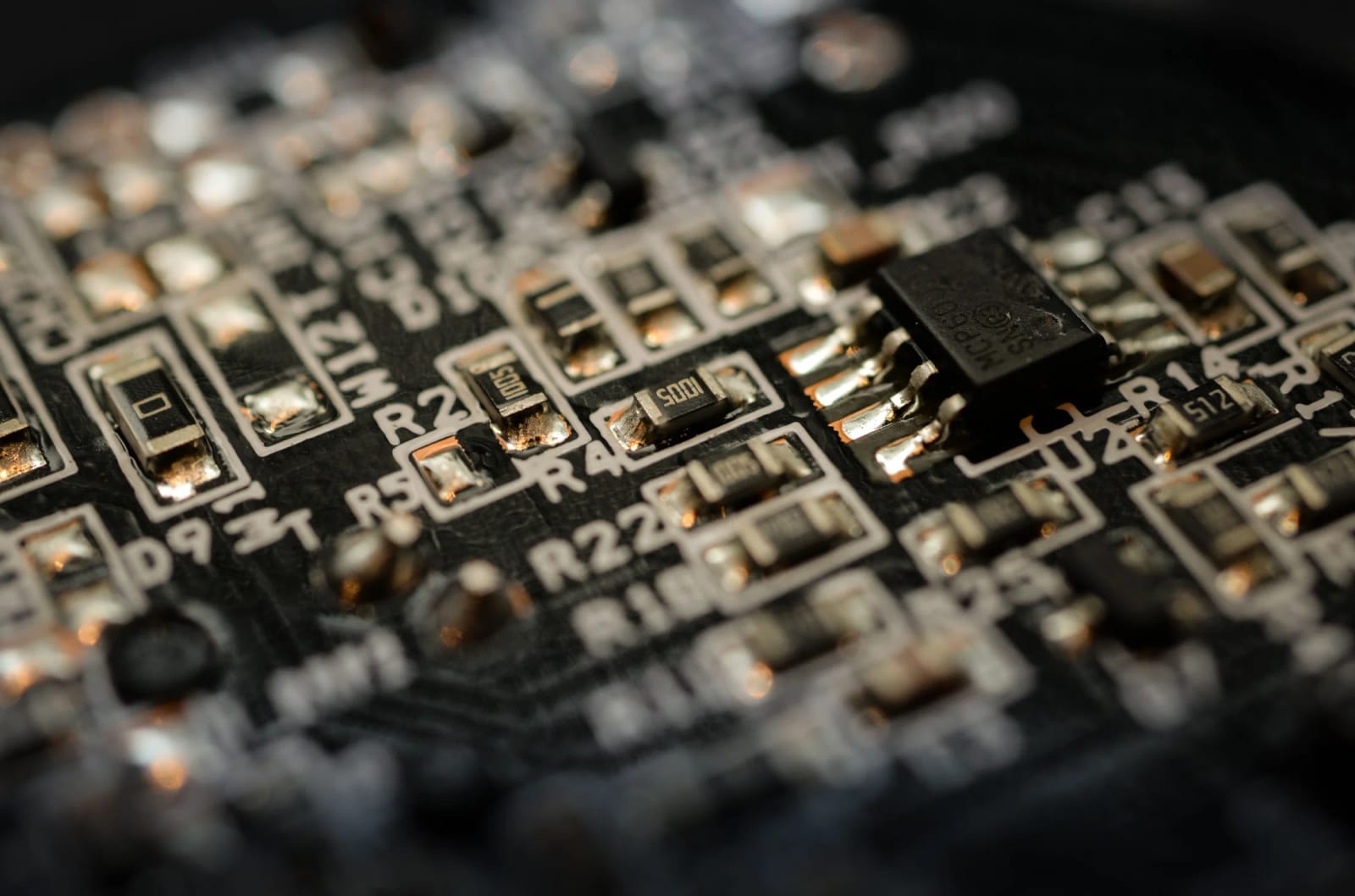
A sensor reading or control fault can reflect a failed component, damaged connection, or a problem elsewhere in the machine. Evaluation must consider the equipment’s operation and available service information. Proton confirms the supported task and test method before accepting electrical or electronic work; specialized controls work is reviewed separately.
Service fit is confirmed for each unit.The service process
Show us the equipment.
We’ll review the work.
Start with the machine and the symptoms. Assessment, authorization, and agreed checks guide the next step.
Tell us the equipment type, manufacturer, model, and location.
Equipment detailsExplain the malfunction, symptoms, error codes, and urgency.
Symptoms and prioritiesProton reviews the equipment, required expertise, service availability, and potential parts needs.
Service fit and parts reviewConfirm the applicable diagnostic terms, repair quotation, and scheduling before proceeding.
Authorized scope and scheduleComplete agreed functional checks and document the equipment’s condition after authorized work.
Functional checks and conditionQuality through clarity
Know what was done.
The agreed service record identifies the unit, reported problem, findings, authorized work, and checks performed. It should also note unresolved faults or limits on testing. For multiple units, agree identification, individual approvals, priorities, and return arrangements so the condition of each machine remains clear.
Prepare an equipment service requestEquipment review / Start here
What equipment
needs attention?
Send the make, model, problem, and location. We’ll review whether the work is a fit and outline the next step.
Request Equipment Repair
Facility Services
Plan recurring property care and separate projects around site use, condition, and access.
Explore division
Broker Services
Research purchasing requirements and compare supplier options before coordinating an approved purchase.
Explore division
Business Application Services
Review how information moves between teams and scope appropriate application or workflow changes.
Explore division
Workforce Services
Define the work a role must perform and agree the search or assignment arrangements.
Explore division